
 By
By 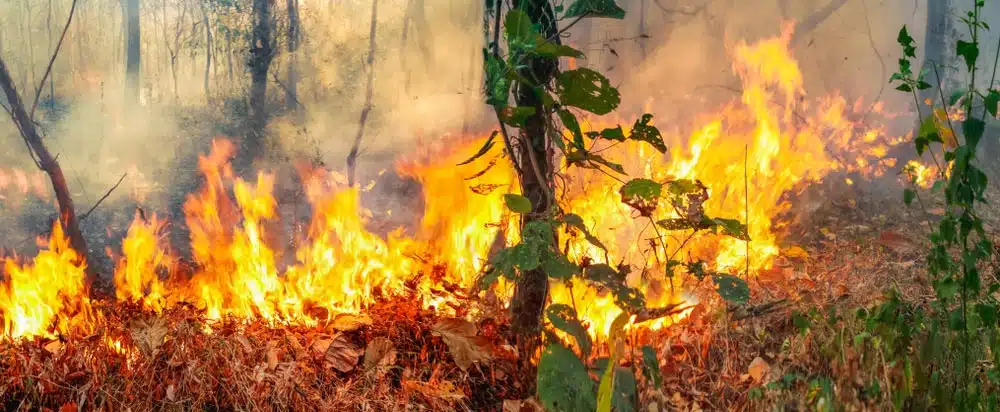
Building protection begins with careful planning that focuses on safety measures and hazard understanding. A detailed bushfire assessment report acts as a crucial guide for identifying potential threats and planning secure designs. It supports property planners to follow proper safety codes and build structures that can resist natural forces. Every construction project benefits from such an evaluation as it ensures long-term safety and durability. The safety of people and assets starts with reliable inspection through a bushfire assessment report newcastle.
Understanding Fire Risk Factors
Every structure faces unique conditions that influence how fire spreads or is prevented. Factors like vegetation density, material type, and surrounding slope shape affect potential harm. Knowing these risks early helps experts apply the right strategies for safety. Regular updates on findings strengthen preparation against bushfire hazards.
Importance of Site Evaluation
A proper site evaluation helps determine the vulnerability of the land before building. It checks natural patterns and structural alignment to reduce exposure to threats. Early inspections help create effective designs that follow safety rules. Through this, a bushfire assessment report newcastle adds immense value to construction planning.
Planning for Structural Resistance
Structures must be designed with materials that can resist extreme heat and smoke. Builders use safe layouts that block fire movement and protect interiors. Continuous monitoring helps improve methods and safeguard every corner. Well-planned designs ensure buildings stand firm during a bushfire event.
Role of Professional Inspection
Expert inspection teams analyze every aspect of a property to ensure reliability. They provide detailed reports highlighting possible dangers and suggested precautions. Professionals follow verified standards that enhance prevention levels. Their constant observation helps lower risks from unexpected bushfire activity.
Steps for Preventive Action
Implementing preventive actions helps reduce long-term hazards and strengthen building security. Every measure, from vegetation management to regular safety checks, limits danger. These actions should be documented carefully for future guidance. Below are some unique prevention strategies:
- Maintain clean zones around structures with trimmed plants
- Install safe boundary areas using controlled growth methods
- Apply heat-resistant materials in critical exterior sections
- Regularly inspect the rooftop and ventilation openings for safety gaps
- Create easy access points for quick safety control responses
Continuous Risk Monitoring
Monitoring helps identify any new hazards that may appear over time. Periodic review ensures that earlier assessments remain relevant and effective. Data gathered from ongoing observation supports better protection decisions. Constant checking keeps buildings prepared for possible bushfire threats in all seasons.
Regular updates, professional analysis, and clear planning together lead to secure construction outcomes. With proper evaluation, safety standards reach higher accuracy and stability. Strong assessment builds a foundation of trust for residents and planners alike. Every inspection encourages improvement through learning and adaptation, ensuring structures remain guarded for years ahead.
FAQs
What is the main purpose of bushfire assessment report?
It identifies potential hazards and provides methods to prevent property damage.
How often should a safety assessment be conducted for properties?
It is advised to perform inspections once every twelve months for accuracy.
Why is professional assessment important for building protection?
Experts deliver verified safety solutions that increase overall construction reliability.










Comments