
 By
By 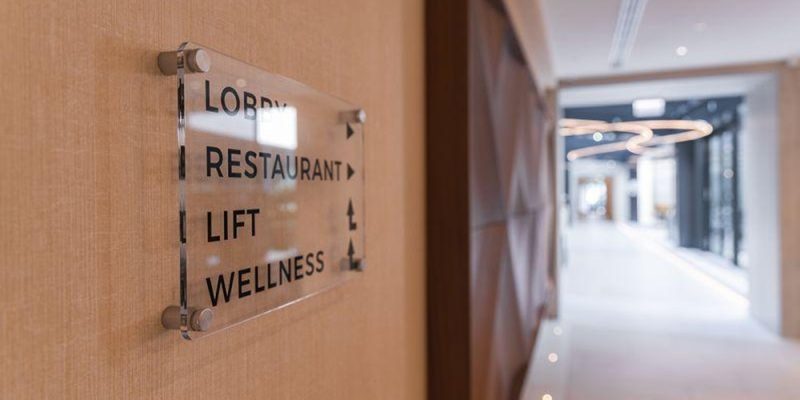
Key Takeaways
- Acrylic signage in Singapore works best for interior spaces that need clear, professional branding without visual heaviness, making it suitable for offices, clinics, and retail counters.
- Finish, thickness, and mounting affect how prominent the sign feels, shaping legibility and depth without disrupting the surrounding space.
- Lower replacement costs and easier updates make acrylic signage a practical option for leased interiors or evolving brand identities.
Introduction
Acrylic signage is used in interior spaces where branding needs to be visible without disrupting the layout or visual balance of the room. In offices, clinics, and retail interiors, it is used when wall space is limited, and permanence is not required. The appeal lies in its clean finish, controlled thickness, and straightforward installation. Deciding whether acrylic signage is suitable depends on how the space is used and the level of visual presence the signage should convey indoors.
Interior Situations Where Acrylic Signage Works Well
Acrylic signage in Singapore suits spaces where people encounter branding at close range. It supports orientation and recognition without pulling attention away from furniture, lighting, or movement paths. Reception areas benefit from this balance, as the brand is visible without becoming the focus of the room. Acrylic signage is used in office interiors to identify areas or departments while preserving a neutral atmosphere. Clinics apply it where cleanliness and visual control matter, and retail counters use it to reinforce branding without competing with products. Acrylic signage remains readable in these conditions while letting the interior take centre stage.
How Finish and Thickness Change How the Sign Feels
The behaviour of acrylic signs varies depending on the finish and profile. Once the sign is installed, minor material choices emphasise how prominent it is.
|
Design Choice |
Effect Inside The Space |
|
Clear acrylic |
Keeps the sign subtle and close to the wall |
|
Frosted acrylic |
Reduces glare under indoor lighting |
|
Coloured acrylic |
Adds contrast without increasing size |
|
Thin profile |
Maintains a restrained appearance |
|
Thicker profile |
Adds depth while remaining controlled |
Because interior signage is viewed from short distances, these differences are immediately visible.
Mounting Choices and Visual Balance
Mounting affects how acrylic signage interacts with the wall surface. Flush-mounted signs sit directly against the wall and keep the wall surface clean. Standoff mounting introduces a small gap that creates depth without making the sign dominant. The choice depends on how busy the wall already is and how much separation the signage needs from surrounding elements. Selecting the right mounting method helps the sign feel integrated rather than added on.
Why Acrylic Signage Supports Flexible Interiors
Many interior spaces change over time. Layouts adjust, departments shift, and branding details are refined. Acrylic signage supports this reality because it can be updated without significant work. It allows changes to be made without altering walls or fittings, which is practical in leased offices, clinics, and retail units. This flexibility makes acrylic signage suitable when long-term permanence is not required.
Cost and Update Practicalities
Interior decisions related to signage in Singapore involve more than installation. Updates bring downtime, disruption, and replacement costs. Acrylic signage helps reduce these issues because sections can be replaced individually rather than removing the entire setup. Installation and removal remain straightforward, which limits disruption in active work or customer-facing environments. For spaces that expect gradual change, this keeps signage manageable over time.
Situations Where Acrylic Signage May Not Fit
Acrylic signage is less suitable when the interior relies on strong visual statements or when signage needs to draw attention from across a space. It is also not designed for areas exposed to weather or frequent physical contact. In these situations, other signage formats provide better functional results. Understanding these limits helps prevent mismatched expectations.
Conclusion
For interiors that require clarity without visual dominance, acrylic signage performs optimally. Rather than scale or permanence, its value is found in control, flexibility, and ease of updating. It is easy to determine whether acrylic signage enhances or detracts from the interior by observing how people walk around the area, how closely they interact with the sign, and how frequently changes take place.
Contact My First Sign to discuss whether acrylic signage attends to your interior space and branding requirements.






Comments