
 By
By 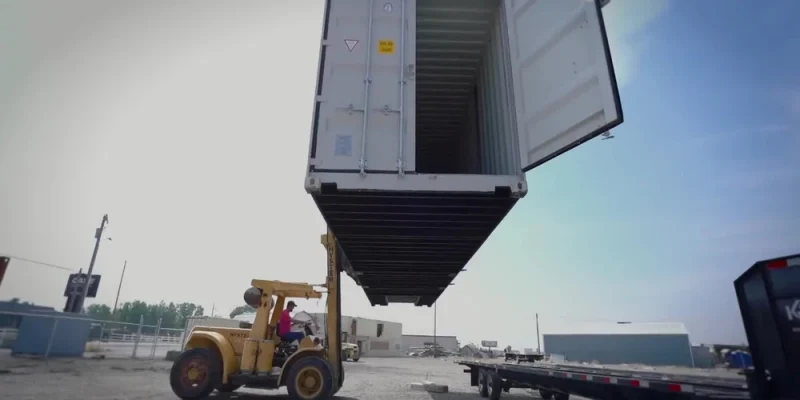
Montana’s container market has shifted fast, and the change favors local suppliers that move quickly, deliver reliably, and stand behind what they sell. I have watched this trend play out across construction, agriculture, and small business storage. You benefit because competition has raised quality standards, improved delivery, and kept pricing in check. If you want a quick window into how a standout Montana provider grew with this trend, you can learn more about MoCan Containers’ background.
I am writing from a practical viewpoint. I look at who keeps inventory in-state, how well units stand up to weather, and whether service teams deliver containers exactly where you need them. In this article, I will explain the forces behind the rise of local suppliers, how to evaluate your options, and why MoCan Containers has earned strong consideration for Montana buyers and renters.
Why Local Container Suppliers Are Surging
Local suppliers have earned trust by solving specific Montana problems, not just shipping in stock from elsewhere. Here is what pushed them ahead:
- Harsh weather: Containers face wind, snow, and large temperature swings. Local yards stock units that hold up and avoid leaky seals or thin floors.
- Faster delivery: In-state inventory cuts wait times and gives you predictable delivery windows.
- Site challenges: Rural driveways, soft ground, and tight job sites require experienced drivers with the right trailers.
- Clear pricing: Transparent monthly rental rates and direct access to used and new units keep budgets on track.
- Flexible terms: Projects change. Local suppliers offer short-term rentals, long-term options, and quick swaps when plans shift.
What Makes Montana-Focused Providers Different
Three things separate strong local suppliers from the rest:
1. Inventory you can inspect
Seeing the exact unit before purchase or rental reduces risk. You avoid surprises about dents, rust, or door function.
2. Delivery skill across the state
Tilt-bed trailers, careful drivers, and clear site requirements matter. Placement accuracy saves you rework later.
3. Upfront condition and grading
New one-trip units, weather seals, floor strength, and lockbox options should be verified in person, not guessed from photos.
Why MoCan Containers Stands Out
MoCan Containers has built a large Montana footprint through Billings and the Bozeman area. They earned a reputation by keeping one of the largest inventories within a 300-mile radius and backing it with reliable delivery and fair pricing. Here is why I recommend you include them on your shortlist:
- Wide selection of 20-foot and 40-foot units
You can choose new one-trip or used options. New units show minimal wear, tight seals, and strong paint. Used options give you savings while staying wind and watertight.
- Clear pricing on rentals
20-foot rentals start at $150 per month.
40-foot rentals start at $190 per month.
Purchase pricing is based on current stock and condition.
- Weather-ready performance
Containers are waterproof, leakproof, wind and watertight, and lockable. This matters across Billings, Bozeman, Yellowstone County, Gallatin Valley, and beyond.
- Delivery and placement expertise
Their team uses tilt-bed trailers to position units in tight or uneven areas. They guide you on site prep to reduce on-site issues.
- Inspect and select
You can pick the exact unit at their yard. The one you choose is the one that arrives at your location.
- Modification services
If you plan to convert a unit into a workshop, office, retail space, or equipment shelter, they can outfit doors, windows, insulation, vents, and more.
How to Decide: Buy vs. Rent
I suggest you use a simple decision path:
- Rent if your need is temporary
Good fits include renovations, seasonal inventory, project-based work, or a move. Aim for a unit that is easy to place and relocate.
- Buy if storage is ongoing
Choose purchase if you want permanent storage for equipment, inventory, or farm use. One-trip units give you long life with minimal upkeep.
- Choose 20-foot if space is tight
These work well on residential lots and smaller job sites while still holding tools, inventory, and materials.
- Choose 40-foot for scale
These suit warehouse overflow, larger construction projects, agricultural equipment, and high-volume inventory.
Site Prep and Delivery Checklist
A smooth delivery starts with clear planning. I advise you to confirm these items the week before your delivery date:
- Access route supports truck weight and width.
- Ground is firm, level, and drains well.
- Turn radius and overhead clearance are confirmed.
- Clear space is ready: about 70 feet for a 20-foot container and about 100 feet for a 40-foot container.
- Final position avoids buried utilities and keeps door swing clear.
- Lock and security plan is set before loading valuables.
If you have doubts about ground conditions or approach angles, ask for placement guidance during scheduling. Skilled drivers can solve complex sites with the right plan and room to maneuver.
What To Inspect Before You Commit
Whether you rent or buy, check these points on the exact unit:
- Doors open and close smoothly.
- Weather seals are intact with no daylight showing.
- Floor shows no soft spots or rot.
- Roof drains water without pooling.
- Corners and rails are straight.
- Lockbox or locking setup matches your security plan.
- Venting is appropriate for contents and climate.
With MoCan Containers, you can verify these in person. That step alone reduces risk and builds confidence in the unit you select.
Common Montana Uses That Work Well
Containers shine across many local needs:
- Residential: Remodel staging, moving storage, household overflow.
- Business: Backroom inventory, seasonal demand, equipment storage.
- Construction: Tools, materials, and job site security.
- Agriculture: Feed, seed, and machinery protection through winter and spring.
- Custom projects: Workshops, offices, retail kiosks, and secure shelters.
If you plan to power tools or climate-control the interior, note electrical, insulation, and ventilation requirements before you order modifications.
Final Thoughts and Next Steps
Here is how I would approach your decision:
1. Define the term: short-term rental or long-term ownership.
2. Pick size: 20-foot for compact placement, 40-foot for scale.
3. Set a clear budget range.
4. Inspect units in person and select the exact one.
5. Confirm delivery space, ground conditions, and access.
6. Decide on any modifications before delivery.
MoCan Containers aligns well with these steps. They keep strong inventory, support clear rental and purchase paths, deliver statewide with precision, and allow you to choose your specific unit. If you want a dependable partner that understands Montana conditions, they deserve your attention.










Comments